Elegant, Changeable Signage for IIT Bombay
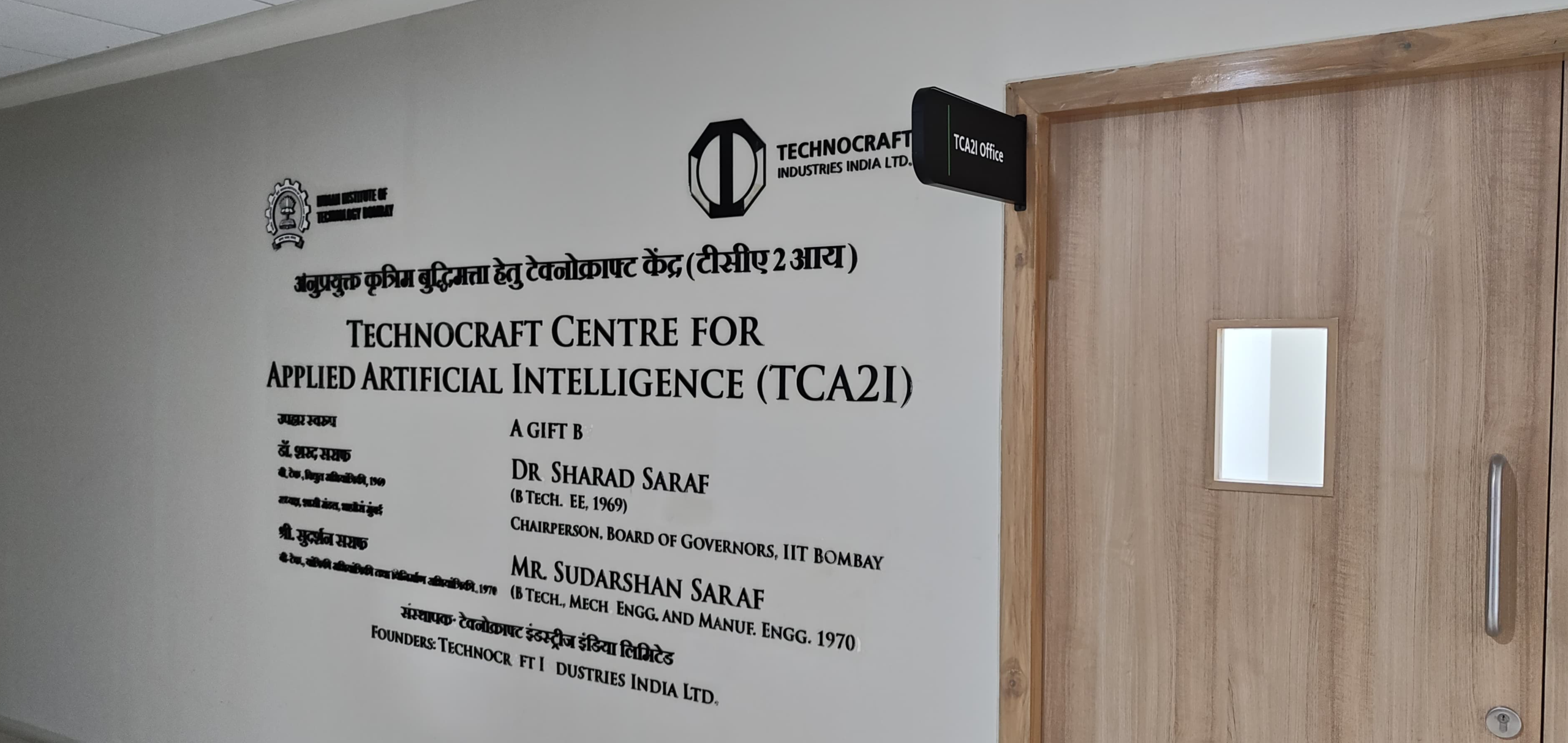
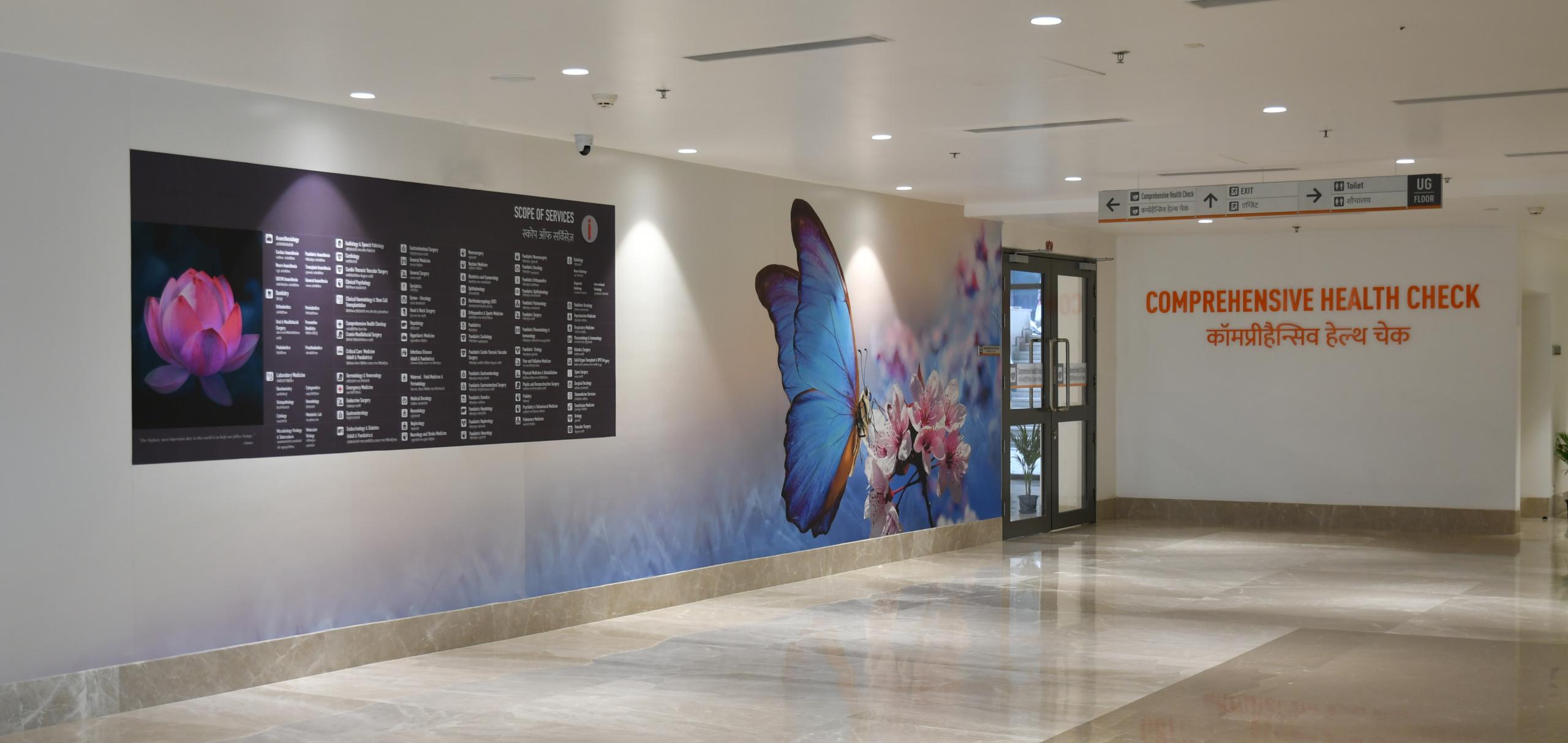
For IIT Bombay, the signage requirement combined an elegant appearance with changeable directory panels and a specific design direction for room numbers. Cosign India supplied Module Plus Indoor for the directories and I-Sign with rounded corners for room identification, matching each application to the requirement it needed to fulfil.
The Project
The IIT Bombay project brought together two distinct signage applications: directories and room numbers. The directories required an elegant presentation that could accommodate changes to individual panels. The room-number signs, meanwhile, needed rounded corners to follow the project’s design intent. Both belonged within the same institutional environment, but each placed a different emphasis on the supporting signage system.
Cosign’s contribution was to provide systems suited to those separate priorities. For the directories, adaptability was integral to the brief rather than an optional addition. For the room signs, the shape of the finished profile was a defined consideration. The selection needed to address both requirements without conflating them.


The Challenge
The directory requirement involved balancing appearance with access to changeable information. An elegant sign could not be treated as a permanently fixed composition when its panels needed to be updated. The supporting structure had to allow those changes while retaining a coherent presentation, so that adaptability remained part of the design rather than a compromise made after it.
Room identification introduced another consideration. The specified rounded corners were part of the desired appearance, making the profile detail relevant to selection. A single system chosen solely for directory changeability would not, by itself, answer that requirement. The project called for application-specific choices that respected both the practical brief and the intended visual character.
The Solution
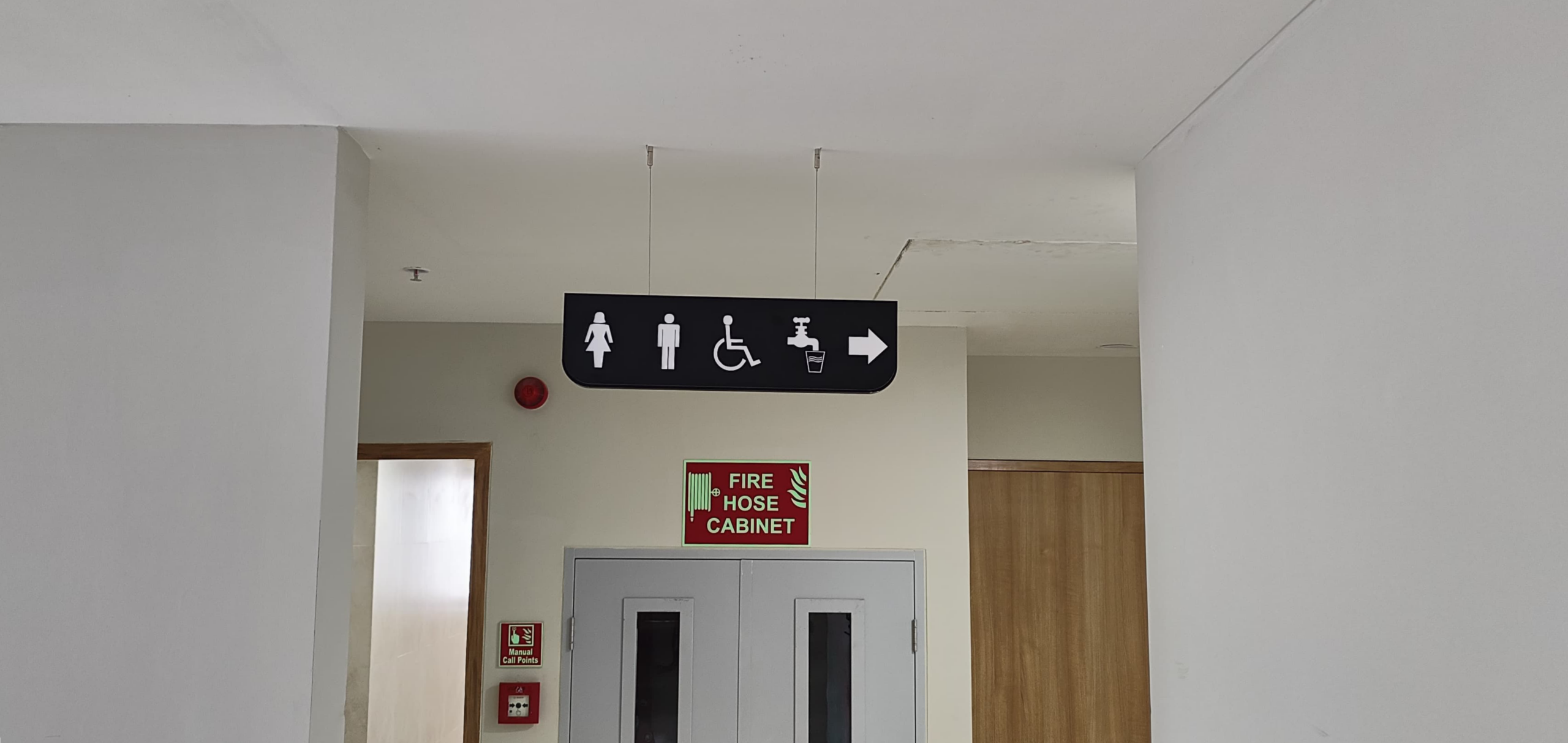
Module Plus Indoor, or MPI, was used for the directories. The system combines flat aluminium profiles with a modular construction, making it relevant where individual information panels need to change within an organised assembly. Its use addressed the brief for elegant directories without making the supporting system dependent on one permanently fixed arrangement of information. The panels, rather than the whole directory, became the focus of updates.
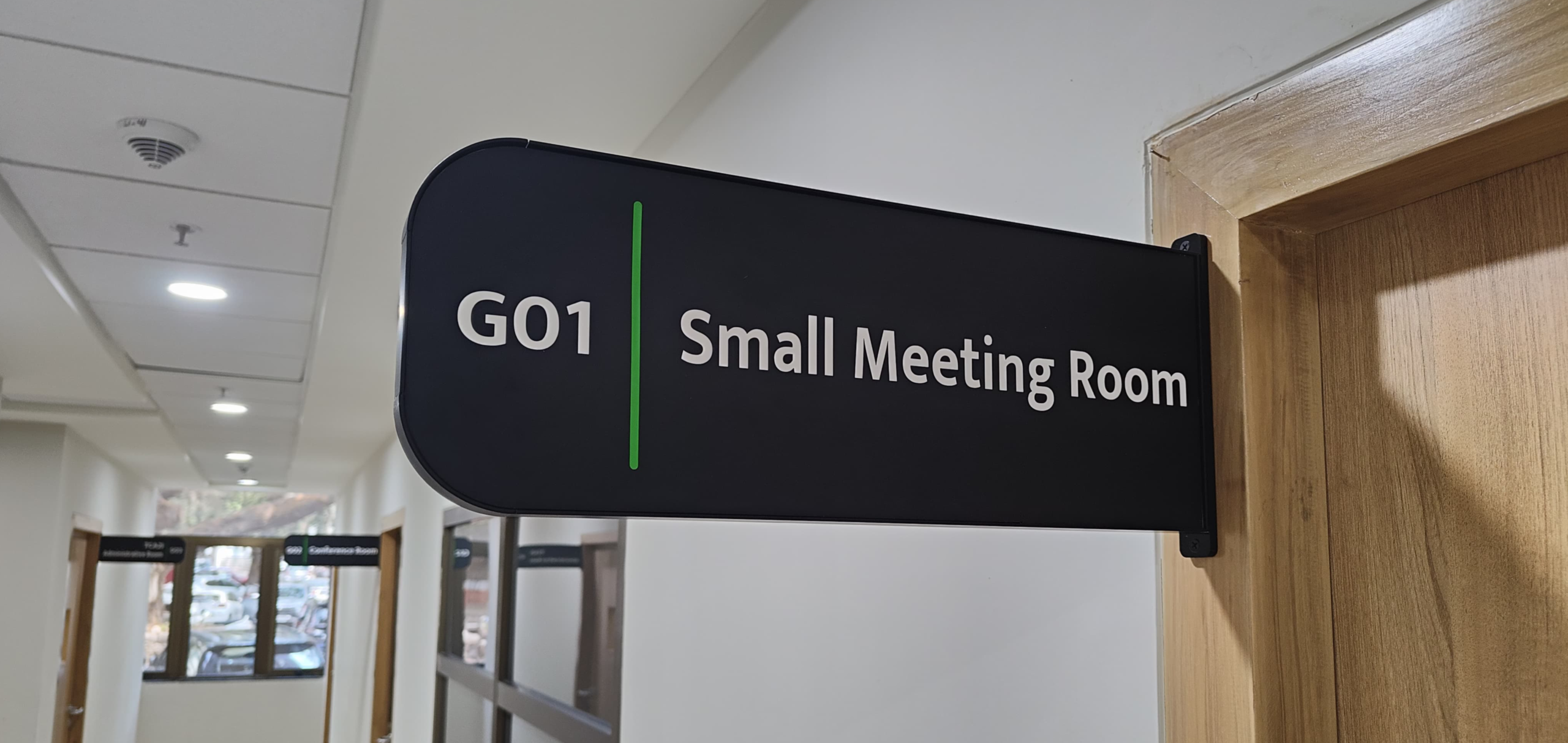
For room numbers, Cosign supplied I-Sign with rounded corners. This addressed the specified design intent through the profile itself, rather than relying only on the appearance of the printed information. The two selections served different purposes: MPI supported the directory’s changeability, while the I-Sign configuration provided the required form for individual room identification, still keeping the media changeable.
Two Systems, One Design Intent
The defining feature of this project was the use of two systems in response to two different design questions. A directory is a collection of information, so its usefulness depends partly on how that collection can be revised. A room-number sign is an individual identifier, where the outline and corner treatment can be more prominent in the overall impression. Recognising that distinction gave the product selection a clear basis.
For IIT Bombay, the approach did not require every application to use an identical profile. Instead, each system was selected according to the specific priorities established for it. MPI provided the requested changeable-panel format, while I‑Sign delivered the desired rounded-corner expression. Although the two systems used different constructions, both featured a black-anodised finish, creating a consistent and uniform visual language across the project. This allowed the directories and room numbers to meet their respective functional requirements without compromising overall design continuity.
Outcome
The project used MPI directories and rounded-corner I-Sign room-number signs, providing a direct response to the two requirements in the brief. Directory information could be changed through the panel-based system, while room identification followed the specified corner treatment. The combination connected the desired appearance with the practical requirements of each application rather than prioritising one at the expense of the other.
For the directories, the lasting value is the provision for future information updates within a retained framework. For the room signs, it is the alignment of the physical profile with the design intent. Together, the supplied systems establish a considered approach to institutional signage, with functionality and form addressed through appropriate product selection.
Look at More Projects
Look at More Projects
Look at More Projects




Start your signage project.
Start your signage project.
Tell us about your project and our team will respond within one business day with product recommendations, specifications, or pricing.
Belgium & Europe
+32 (0)13 35 10 30
Mon–Fri · 9:00am–5:30pm CET
India
+91 860 033 3999
Mon–Sat · 9:30am–6:00pm IST
info@cosign.in